

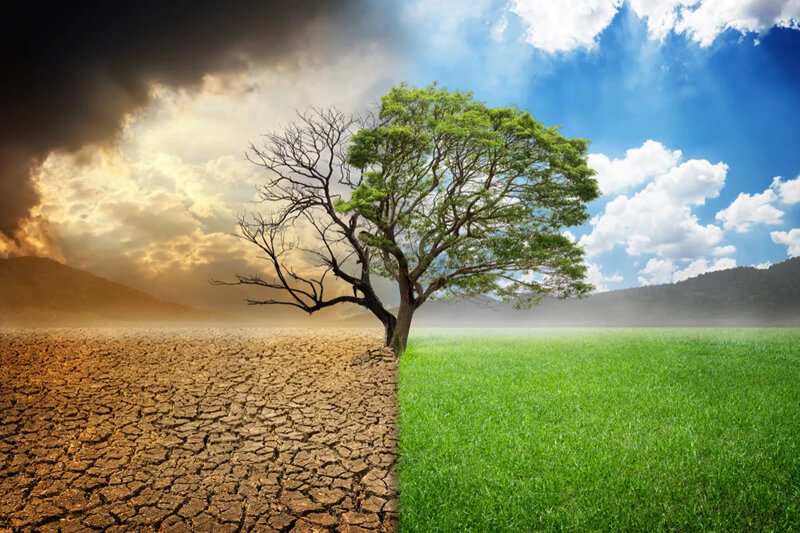
Preparing your personal finances in the face of climate change is more important than ever. As weather patterns grow increasingly unpredictable, our financial strategies should evolve accordingly. Personal resilience is key to weathering the financial storms that may accompany these environmental shifts.
Factors like increased insurance costs, the potential for job disruptions, and unexpected emergency expenses necessitate proactive planning. This guide will help you navigate these changes, ensuring that your financial health remains stable even when nature’s temperamental nature strikes.
The impact of climate change on financial security

Climate change affects every aspect of our lives, including financial stability. Extreme weather events such as hurricanes, floods, and wildfires can cause direct damage to homes and property, leading to increased insurance costs and unexpected repair expenses. Additionally, these events can disrupt local economies, affecting jobs and income streams.
Understanding the financial risks associated with climate change is the first step in formulating an effective plan. Building a robust strategy to protect personal assets can make a significant difference in maintaining financial security in the face of environmental challenges.
Many regions are witnessing higher agricultural costs, changing property values, and fluctuating energy prices due to climate shifts. This economic instability makes personal financial planning more critical than ever. Without proper preparation, individuals are more susceptible to financial downturns caused by natural disasters.
Building an emergency fund for unpredictable events
One practical step in preparation for climate-related disruptions is to establish a robust emergency fund. This reserve should ideally cover three to six months of living expenses, providing a cushion in times of crisis. Having readily accessible cash can prevent you from taking on debt or selling investments at a loss during emergencies.
Start by setting specific savings goals, and contribute regularly to this fund. Treat it as a non-negotiable expense, similar to rent or utilities, to ensure it grows over time and serves its purpose when needed.
Regularly reassess your emergency fund’s adequacy, considering your geographical location and the likelihood of different climate events in your area. This reassessment can make your financial safety net more resilient. In regions prone to specific risks, such as hurricanes or floods, you might aim to save more than the standard recommendation.
Adapting investments for sustainability and resilience
Beyond savings, proactive steps with your investments can also shield against climate uncertainties. A growing number of investors are turning towards sustainable investing, focusing on companies with environmentally friendly practices. These investments not only help in reducing carbon footprints but also offer potentially stable returns.
Consulting with financial advisors skilled in sustainable investments can provide valuable insights and help tailor your strategy. Furthermore, keeping an eye on government regulations related to climate change can guide adjustments to investment portfolios, navigating risks, and seizing new economic opportunities.
Being proactive and informed can lead to more secure financial futures, even amidst the uncertainty brought by climate disorders. Investing in this way is not only about financial returns but also about supporting broader efforts to mitigate the impact of climate change.
Conclusion
Addressing climate change’s impact on personal finances is crucial for long-term security. Personal preparation involves understanding potential risks, establishing an emergency fund, and making informed investment decisions. As the climate continues to change, being proactive offers the best protection against economic instability.
Financial readiness today paves the way for resilience in the future. By adopting strategies tailored for uncertain times, individuals can ensure financial health regardless of environmental changes, turning potential challenges into opportunities for growth and adaptation.