
The recent boom in electric vehicles (EVs) has not only been transforming the automotive industry but also the financial landscape. As governments push for a greener future, new federal incentives are shaping the way auto loans for EVs are structured and acquired.
Understanding these changes is crucial for consumers looking to switch to electric, and financial institutions aiming to stay competitive. The focus of this post is to explore the significant impact these incentives have on loans related to electric cars, offering insights into the evolving financial environment.
The rise of EV-specific financial products
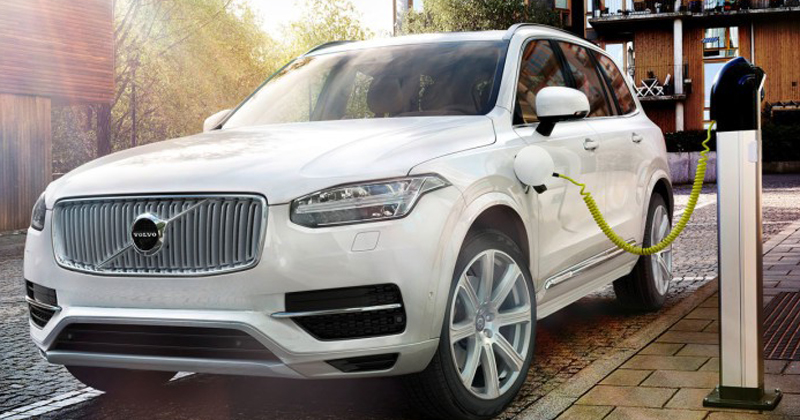
Financial products tailored specifically for electric vehicles are rapidly becoming a significant trend in the automotive financing sector. As the demand for electric models grows, many lenders are introducing loan packages designed to suit these specific needs.
This includes longer repayment terms, lower interest rates, and promotional deals that encourage ownership of sustainable transportation solutions. By offering such packages, lenders not only cater to eco-conscious consumers but also position themselves as forward-thinking institutions prepared for the future dynamics of the auto industry.
How consumers can leverage these opportunities
Buyers looking to enter the electric vehicle market should explore the range of financial products available, comparing options to find the best fit. It is advisable to research various lenders’ offerings, focusing on those with specialized electric vehicle loans.
Consumers can capitalize on federal incentives by understanding which specific credits or rebates their purchase qualifies for and ensuring these savings are factored into the loan terms. Being informed and strategic about financing can maximize the benefits, making the transition to an electric vehicle both financially and environmentally rewarding.
Navigating the evolving auto loan landscape
As new policies and incentives continue to reshape the lending landscape, it’s essential for consumers and lenders alike to stay informed and adaptable. Understanding the implications of these changes on the industry is key to making optimal financial decisions.
For buyers, this might mean reevaluating the cost-benefit ratios of ownership, while for lenders, it means innovating product offerings to align with government initiatives and consumer demands. This evolving landscape presents both challenges and opportunities for all parties involved.
Practical tips for adapting to these changes
For those ready to join the electric revolution, preparation and research are crucial. Identify lending institutions that offer specialized EV financial products and ask about any specific incentives or programs that might be available. Assess the total cost of ownership, including potential savings on fuel and maintenance, to understand the true value of choosing an electric vehicle.
Review your financial situation and calculate the potential impact of federal and state incentives on your purchase. When speaking with lenders, inquire about their familiarity with electric vehicle loans and any unique benefits they offer. This will not only help you secure a better deal but also support the shift towards a more sustainable future.
Conclusion
The financial dynamics of purchasing electric vehicles are evolving rapidly, driven largely by new federal incentives. As consumers and lenders adapt, the focus remains on maximizing the benefits of these changes. For buyers, understanding and taking full advantage of incentives can significantly reduce the financial burden of purchasing an electric vehicle.
By embracing the ongoing changes in auto loan products and incentives, both consumers and lenders stand to gain from a shared commitment to sustainability. As we move forward, the financial landscape promises to become ever more entwined with advancements in electric vehicle technology and government policy, creating exciting new possibilities for eco-friendly transportation.